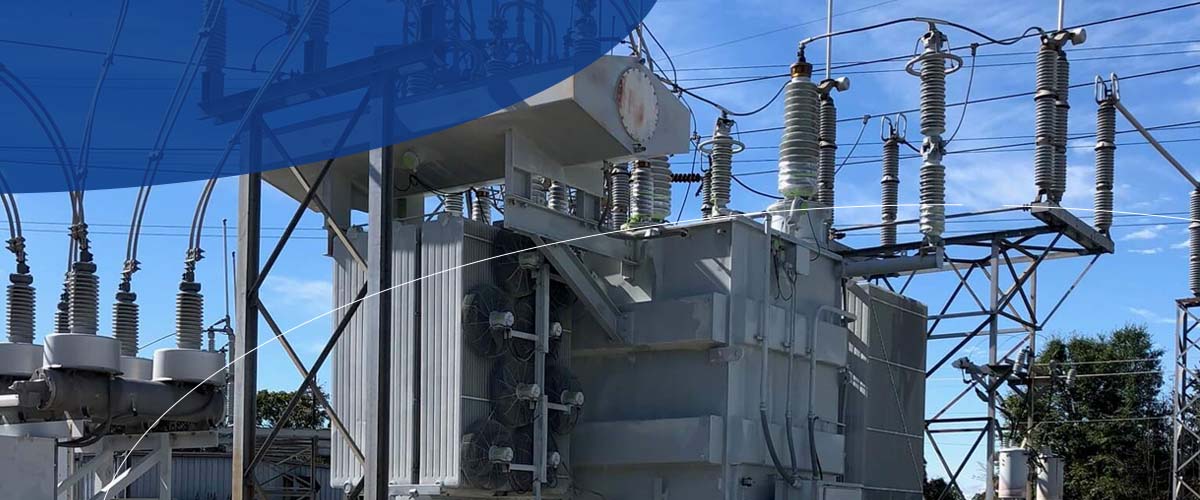
Oil is critical for arc suppression, insulation and cooling, all of which are necessary for the operation of transformer substations. However, it poses the risks of leaks, which, if not properly managed, can be harmful to humans and the environment. While it is essential to develop protocols for the adequate management of leaks should they occur, it’s also necessary to take proactive measures to prevent them from happening.
In this guide, we will explore everything you need to know about substation oil leaks, including the causes and steps you can take to prevent them.
Causes of Substation Oil Leaks
Under normal conditions, oil protects transformers from corrosive and damaging elements while ensuring the smooth operation of the substations. However, certain factors may cause transformer oils to leak, resulting in damage to the system. Some common causes of substation oil leakage include:
Wear and tear: Over time, transformer components such as gaskets and seals may deteriorate. Consequently, such wear and tear may cause oil to seep out from the substation.
Manufacturing defects: It’s not uncommon for transformers to be affected by manufacturing defects, such as faulty welding and sealing. Electromagnetic vibrations may further worsen such defects, leading to oil spillage in the long run.
Improper installation: Incorrect installation of components, such as seals and pipe connectors, can cause oil seepage.
External damage: Oil leaks can occur as a result of damage caused by accidents, vandalism, natural disasters or physical impact to the tank or radiators.
Effects of Substation Oil Leaks
Substation oil leaks can carry severe environmental, operational and safety implications.
Environmental Effects
The environment suffers when oil spills from substations. Some transformer oils contain polychlorinated biphenyls (PCBs), a toxic compound that poses significant environmental and health risks. When transformer oils leak, they can contaminate soil and underground water, potentially harming human, animal and plant health. Additionally, due to the slow biodegradation process of transformer oils, they can last quite long in the environment and would typically require costly and large-scale cleanup efforts to remedy the damage.
The impact of such environmental contamination may result in costly legal fines and reputational damage.
Operational Effects
Oil leaks can compromise the operational efficiency of transformers. Since oils serve as both electrical insulators and coolants for substations, a slight drop in oil levels can lead to overheating due to the loss of cooling and reduced insulation capacity. These operational changes can cause electrical failure, outages, or worse, an explosion. If left to continue for extended periods, an oil leak can damage major internal components and reduce the lifespan of substation transformers.
Safety Implications
In severe cases, substation oil leaks can pose significant safety threats to people and property, particularly in densely populated areas. Mineral oils are flammable, and leaks, when exposed to sparks or high temperatures, can cause explosions and fires that can be difficult to extinguish.
How to Prevent Substation Oil Leaks
Substation oil leaks are preventable if proactive measures are taken, such as proper installation and regular inspection, among other protective protocols. Let’s explore some tips for preventing transformer oil leaks.
Perform Regular Checks and Maintenance
Regular substation inspections can help detect cracks and other potential faults that may lead to oil leaks early on. Some recommended tests and checks you should conduct regularly include:
Visual inspection: Conduct daily checks for visible signs of oil leakage around the transformer — look out for oil puddles or stains, especially around areas close to welds, seals and connections.
Oil level checks: Perform weekly checks on oil levels, as a drop can signal potential oil leakage. Consider exploring ultrasonic testing devices to conduct noninvasive oil level tests.
Pressure monitoring: Pressure changes can be an indicator of a problem in the transformer’s oil system. Take note of abnormalities you discover during testing and resolve them promptly.
Regular maintenance: To prevent minor issues from escalating into severe oil leaks, it’s crucial to establish a regular maintenance schedule for the transformers.
Ensure Proper Installation
Proper installation of transformer components is essential for preventing substation oil leaks. Pay attention to gaskets and seals, as they are commonly known to leak when installed incorrectly. It’s good practice to inspect rubber components for cracks and damage before installation. It’s also crucial to follow manufacturer recommendations regarding how to tighten and torque bolts and fasteners. In cases where transformers are delivered with visible manufacturer defects, you should contact the manufacturer to initiate repairs or replacements.
Utilize Adequate Environmental Protection
Exposure to environmental factors, such as extreme temperatures, moisture and corrosive elements, increases the risk of substation oil leaks. To mitigate this risk, utilize environmental control systems, such as temperature and humidity controls, to maintain optimal conditions.
How to Stop Substation Oil Leaks
Despite taking steps to prevent substation oil leaks, accidents may still occur that cause primary oil containment systems to fail. Consequently, prevention alone is not enough. Additional measures are also necessary for managing leaks when they happen — this is essential for substation oil leak control, preventing contamination of the soil and underground water around the substation. Beyond offering extra protection to the environment, proactive secondary containment systems help companies comply with regulations and rules such as the Spill Prevention, Control and Countermeasure (SPCC) Rule.
At Solidification Products International, Inc., we have designed specialized products and systems to help you manage leaks and prevent them from escalating beyond control. These include the following:
Berm liners: This product utilizes XR-5 geomembranes, a material renowned in the industry for its durability and reliability. It is effective for preventing transformer oil leaks from spreading into the environment. Our berm liners are designed with a patented technology that allows for precisely controlled point-source discharge, improving system reliability and environmental protection.
Petro-Barriers™: Particularly useful for oil containment in large areas, Petro-Barriers™ are an excellent choice for drainage containment areas with vertical installations. They offer continuous environmental protection using specialized filters that allow water to pass through while trapping oil and hazardous waste.
Pump-Thru Barrier™: Our Pump-Thru Barrier™ features a proprietary filtration media engineered for 24/7/365, high-performance hydrocarbon removal from rainwater — they can remove oil sheen to less than three parts per million (ppm) or non-detectable levels. When an oil leak occurs, the unit automatically and completely seals off, ensuring total containment.
Petro-Pipes: SPI Petro-Pipes function around the clock to prevent rainwater contamination. They are especially suitable for areas with high water tables, poor-draining soil and other challenges. You can customize petro pipes according to your drainage requirements and needs.
SPI Oil Containment Shield™: This solution is suitable for smaller transformers and equipment with 750 gallons or less of oil. It serves to ensure proper evacuation of rainwater and prevent soil contamination with hydrocarbons.
Enjoy Maximum Protection With Solidification Products International, Inc.
Oil leaks are costly incidents that can affect the environment and impact the efficiency of transformers. Unless proactive steps are taken to prevent them from occurring and manage them if they do occur, companies will face the severe consequences that accompany oil leaks. The prevention tips shared in this guide, along with the proactive secondary containment systems, are the best approach.
You can trust Solidification Products International, Inc. for industry-standard oil containment products that offer maximum protection against the adverse impact of oil leaks. Additionally, you can rely on our experts to collaborate with you in delivering custom containment systems that protect your substation from spills. Contact us today to learn more about how we can help.